Sitting on the plane going back from Haneda Airport, Tokyo, I still don’t have quite enough perspective to take one step back from our journey to take stock. One of the things I have enjoyed has been living in the present and composing, or improvising each day as it comes. Time has been suspended in a never-ending present, giving us a certain kind of freedom, as well as its internal limitations, such as where will we sleep tonight or, even more banal, what will we eat and where will we find it?
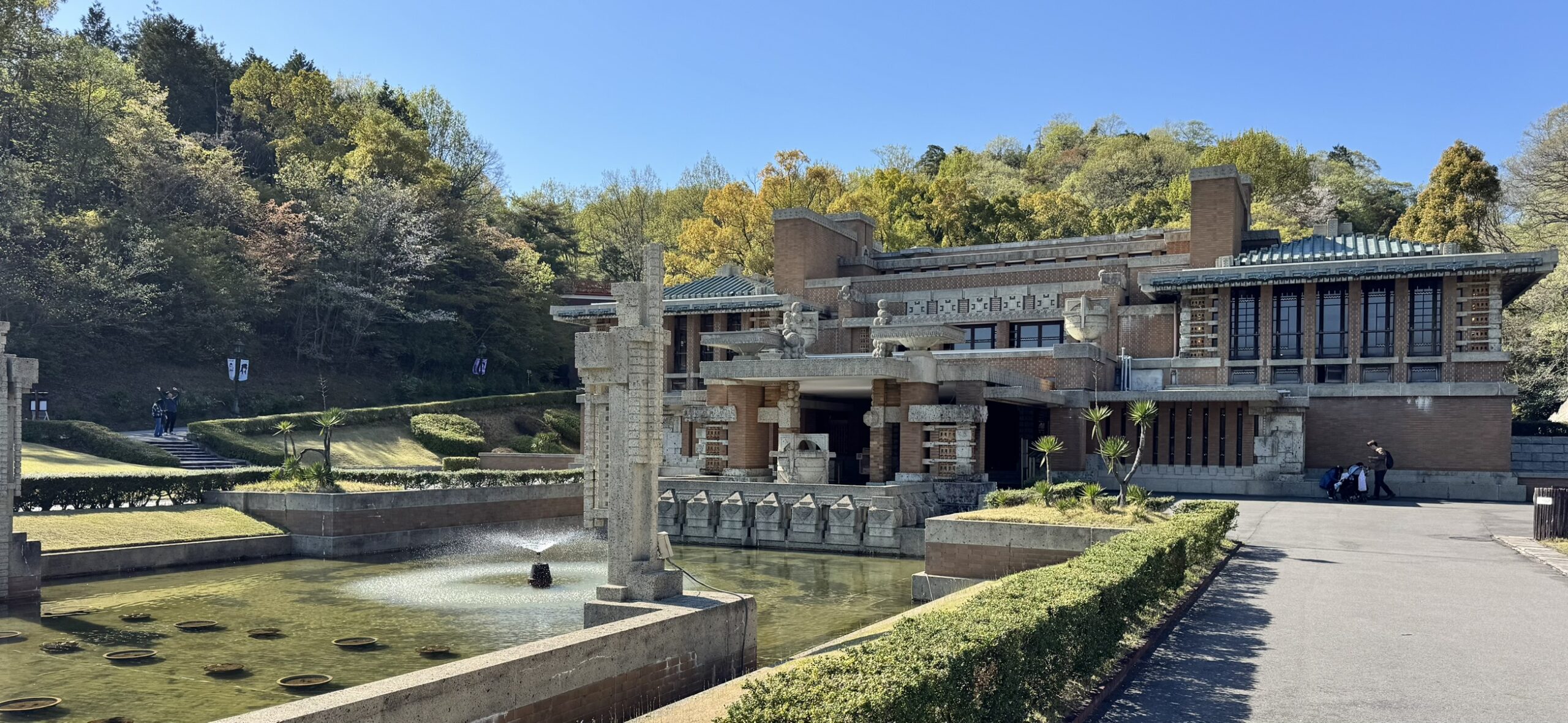
We have been travelling around Japan for the last two weeks since I last wrote. These last couple of weeks have turned into a blur, though numerous experiences stick out. Perhaps the metaphor of mist is more appropriate, the shelves of mist being an iconic Japanese sight that has stayed with me. The day at the Meiji-Mura architectural museum, near Nagoya. A bright blue sky sunny Spring day, where walking around exploring the reconstructed, transported and rebuilt buildings from the Meiji era until the 1920s, was accompanied by sunlit cherry blossom views. We got a sense of the mutual inspiration and imitation of Japanese and European cultures and traditions. Our visit culminated with a visit inside and out of Frank Lloyd Wright’s Imperial Hotel, built in Tokyo in 1923. The building was made of porous stone and honeycomb bricks and was a wonder to behold.
I also got to try out some traditional Japanese clothing. I thought naively the interior was a reconstructed shop and we were allowed to try on the clothes. It turned out the collection was for rental and people rent the costumes to dress up and take photos as they wander round the reconstituted streets.
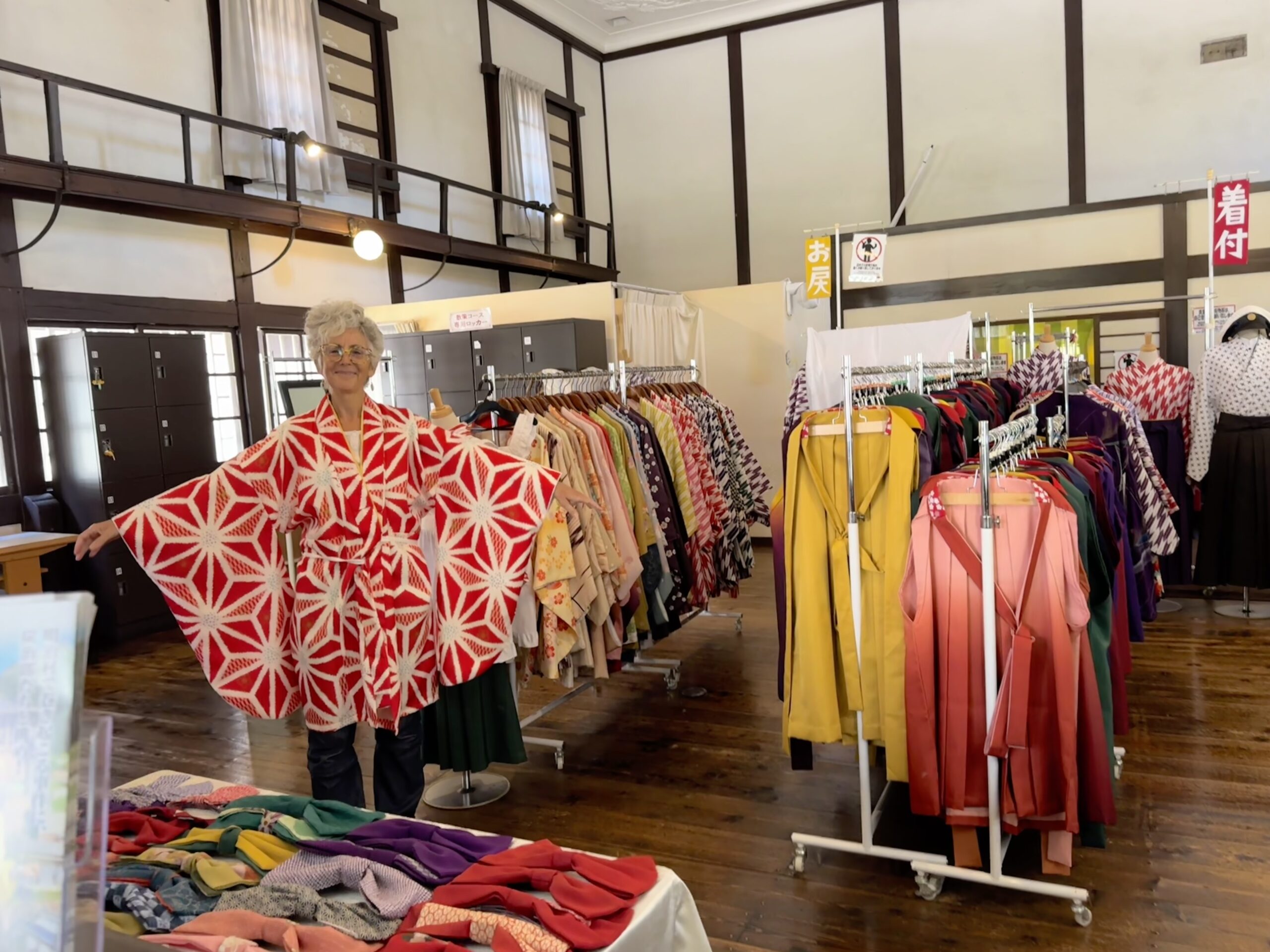
Being told off for costume trespassing was an infantilising epiphenomenon, because by the end of our stay, I had the distinct impression that the Japanese were always telling us what to do: there are instructions about how to go to the toilet (excuse the scatological reference), every visit involves an IKEA-style designed tour where you cannot step out of line or go in the opposite direction, more about what you can and cannot do in your hotel room, for example, you have to take your shoes off the minute you enter the room, but when the door opens inwards and you are carrying your luggage and the room is compact-sized, following the instructions to the letter proves somewhat problematic. I was often self-conscious about how I handled my chopsticks, I did progress while I was there, but it is unseemly to touch food with your hands (as I understood it) and desiccating fish from their fish bones with chopsticks was challending. Japanese Breakfast in general was somewhat difficult for me, so a plain bowl of rice with tea often was the simplest solution, leaving my coffee-addicted desires to one side. When we did find place which served coffee, sometimes it would take a very long time to prepare because of the way they pour one drop of water in at a time to brew it. Once, in an incongruous coffee shop in a village in the middle of nowhere, the end-result was worth it, brought to us after half an hour (there were only two other people in the cafe) in gold and porcelain cups. I felt particularly un-zen at this point because I had been getting impatient for it to arrive and asked myself exactly what I had learned on our trip.
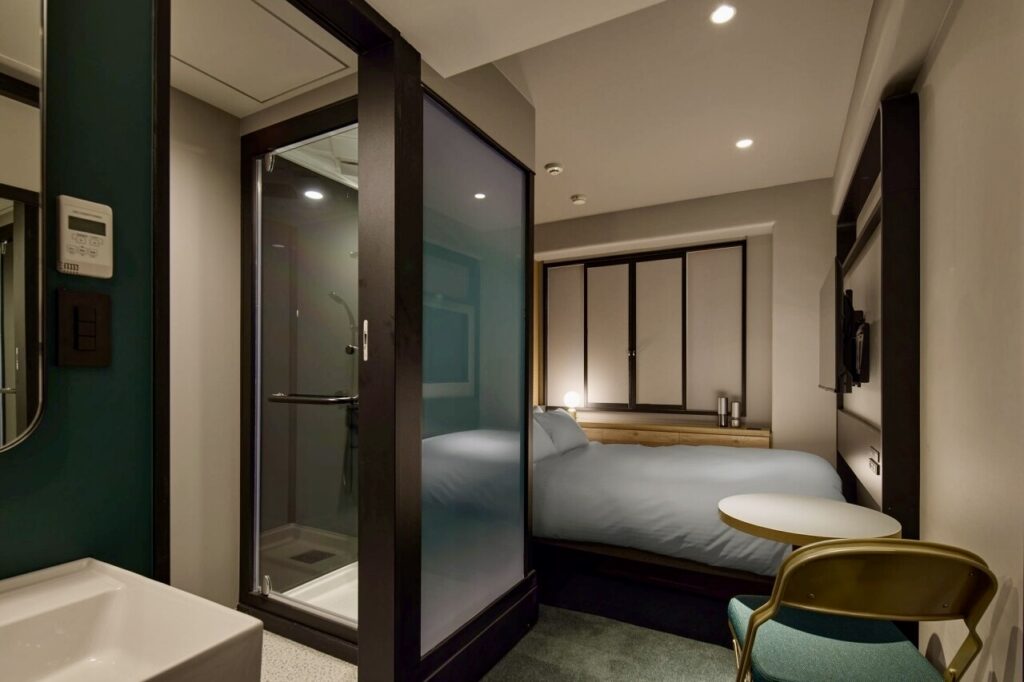
I liked Nagoya for its urban style: it was the first of our every centimeter counts in the hotel room experiences, which Roland has described.
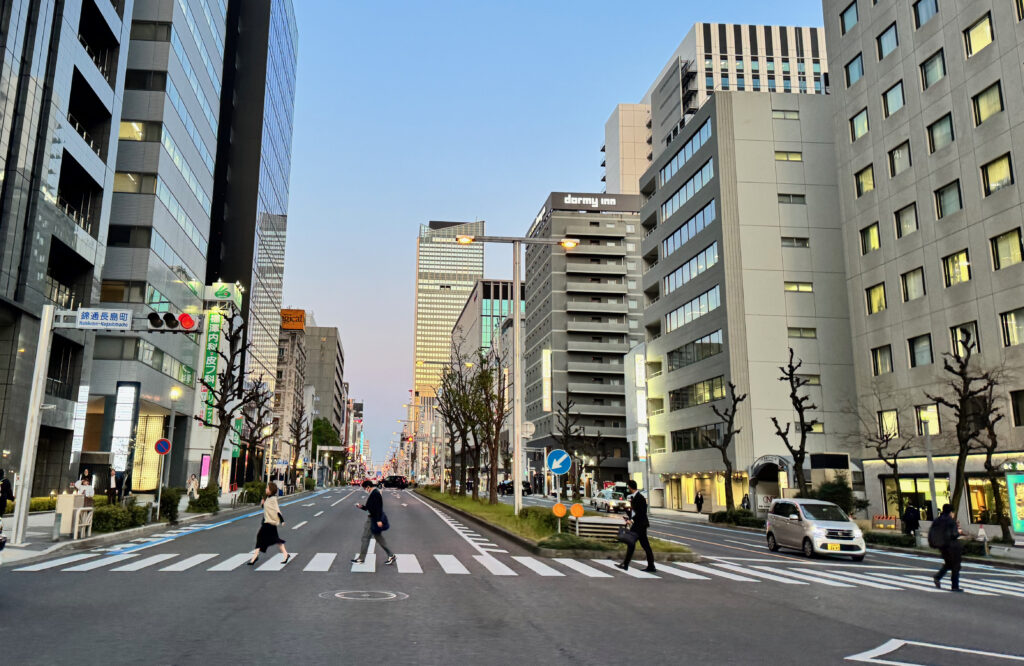
I remember the besuited men with over-sized shoes, like clown shoes, clacking and flapping at they were on their way to work. There were besuited women too, of course, but their shoes fit their feet better. I induced, perhaps erroneously, that it was smart or virile for men to have big feet.
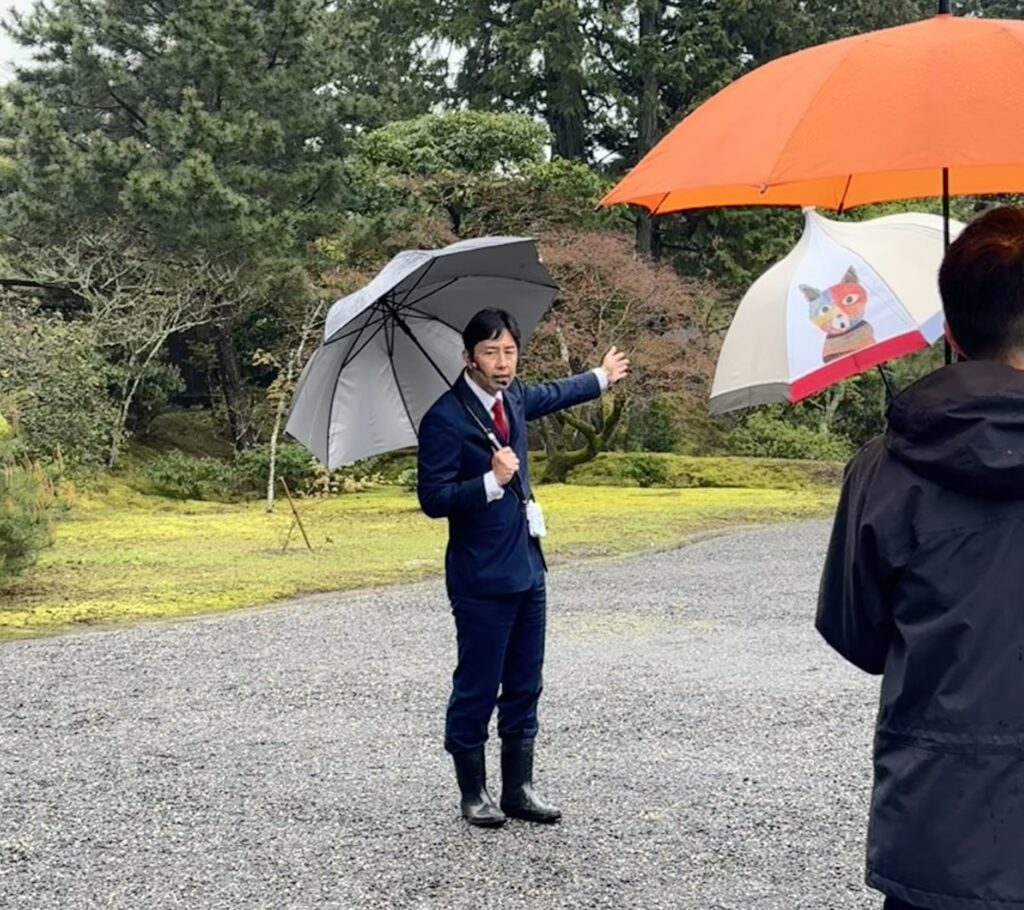
During our stay in Kyoto, the next chronological event, aside our fruitless trip up a hillside to get a view, on a day much warmer than we were expecting, one visit that stuck in my mind was the bonsai garden. We came across it by accident, thanks to overhearing a very smooth-talking guide. Wandering round the garden and looking at those age-old trees produced a sense of bewilderment. Is it a form of perfectionism that involves cruelty, as a friend suggested to me, or is it also a sense of devotion to nature and the duty to keep a tree alive to enable a kind of immortality, or both? Another Kyoto experience involved tearing across the city in a number of buses in the rain, at 7h30 in the morning (no one will recognise me from this description) to get to the imperial villa at the appointed hour. We had booked this visit months in advance (thank you Aki for the tip) and we had to work quite hard to make it work. It was worth it, even if the guided tour (we used the recorded version in English of course) involved a great deal of ceremony and locking and unlocking of doors. Notice th guide in a suit with wellies and an umbrella. The three villas themselves are not as memorable as the landscape shaped and ordered, so that the different levels create a sense of harmony and serenity. The trees are pruned to create perfect dimensions. This visit was the first of many which enabled us to observe a Japanese fascination with mastering nature so that nature and the artificial (man-made) gardens merge into one.
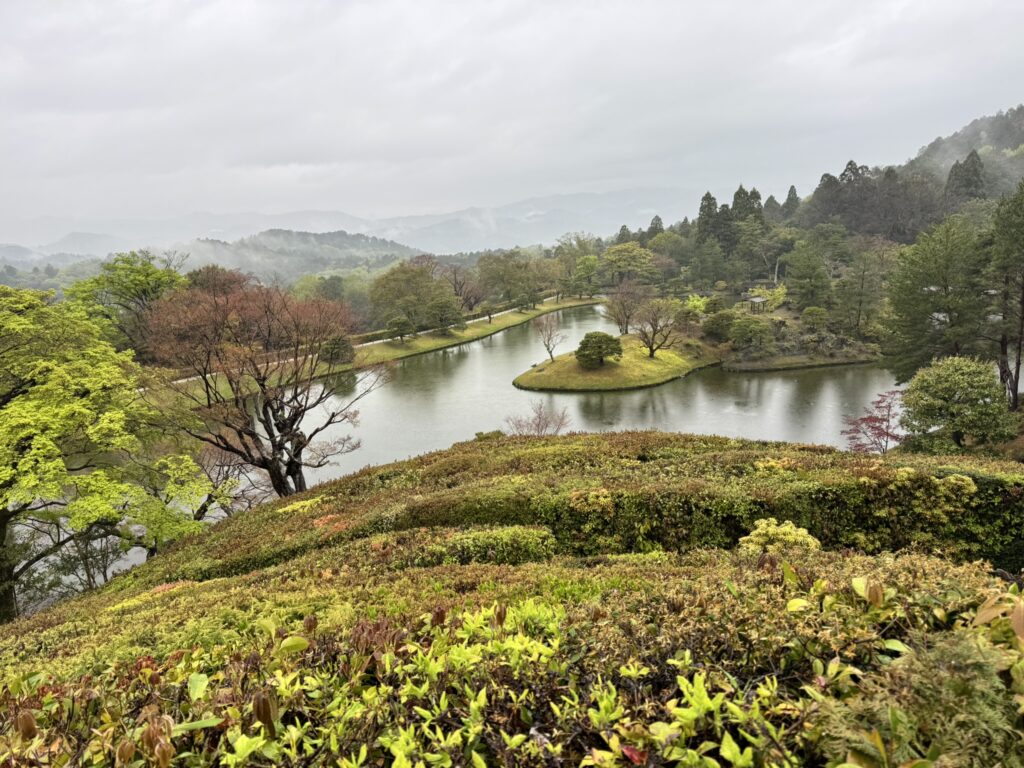
Later we discovered that this attempt at domination only extends to ground level and the trees and hills and mountains are left to their own wild devices. Roland did some research and thinks it’s because the Japanese are afraid of the mountains inhabited by powerful spirits, or maybe because it is impossible to sublimate nature in the mountains: nature is too powerful.
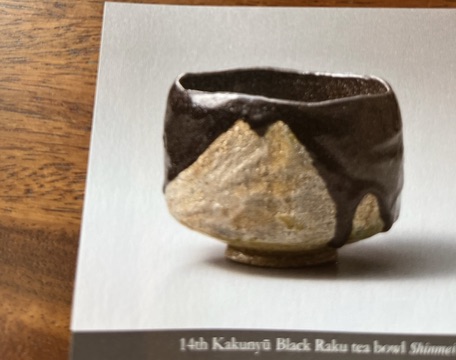
Other enjoyable moments in Kyoto involved walking along the Philosopher’s path amongst the cherry blossom and visiting the Raku museum (thank you Julianna and Hocine as we wouldn’t have found it without you) where twelve generations of potters lived and worked. No photos of their powerful and modern-looking work (even though dating from the 17th c) since no photos were allowed in the museum. I attach a Ruth-like photo of my entrance ticket.
We left Kyoto by car to go North. The first evening we stayed at a hotel with a sublime view of the lake and went for a nice easy, flat, walk the next day. Before our arrival we decided to drive up the coastal road which turned out to be more cliff-like and rockier than we had imagined. Roland suggested it was like driving in Corsica until a family of red-faced macaques crossed the road. More monkeys that didn’t like having their photos taken, so you’ll have to take my word for it.
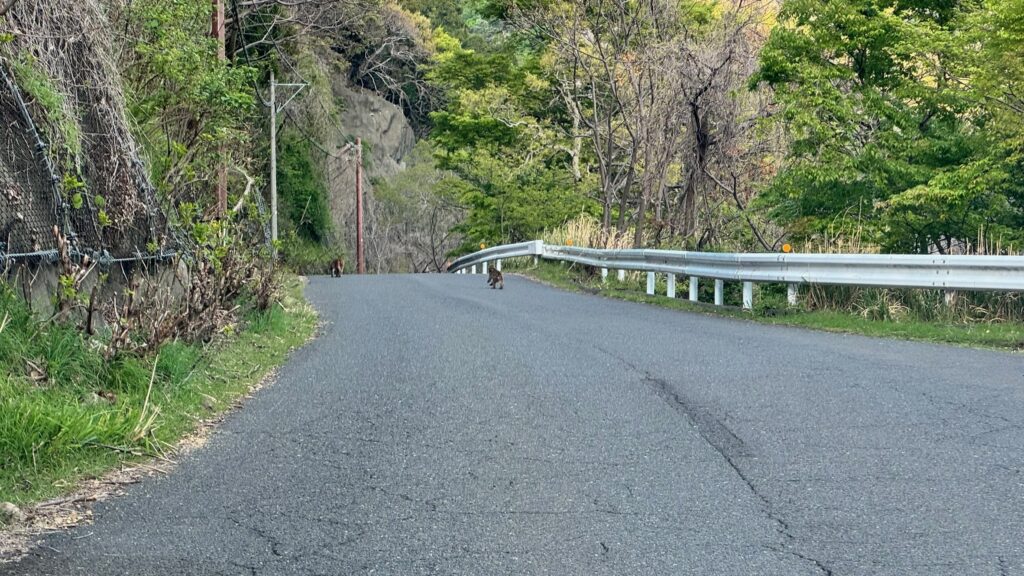
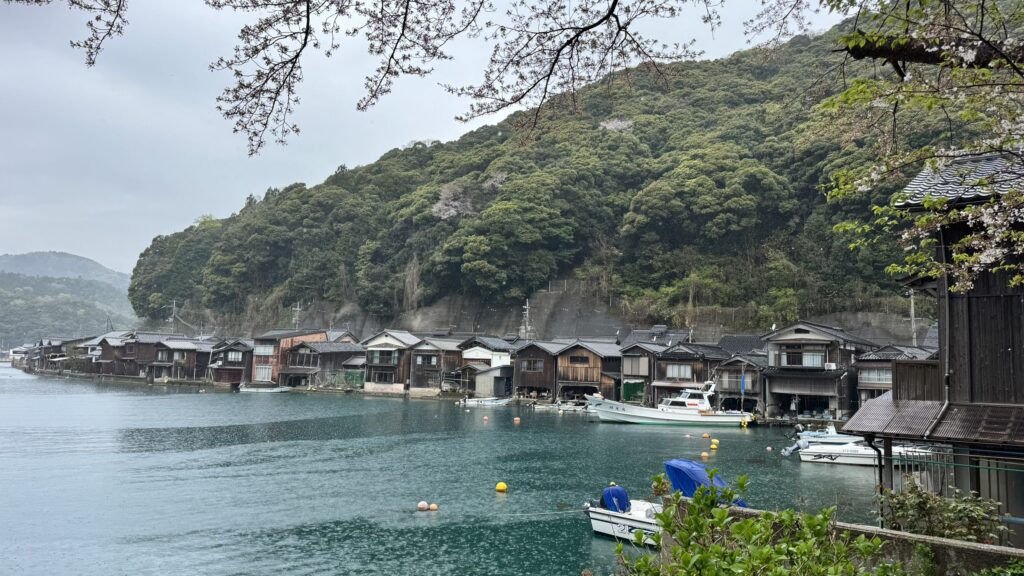
Not like Corsica at all. We explored the coast over the next few days, which included a sunny picnic on a beach, full of debris, where an old woman literally appeared out of nowhere to collect a parking due, as well as a visit to Ine, a pretty, picturesque village under a deluge.
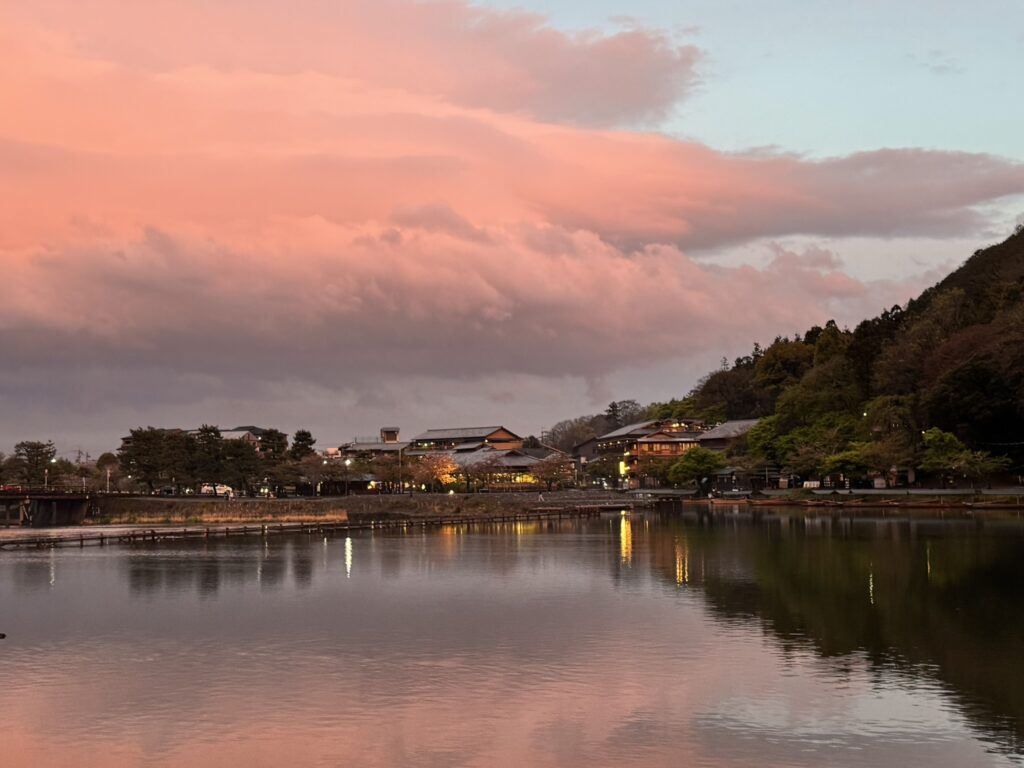
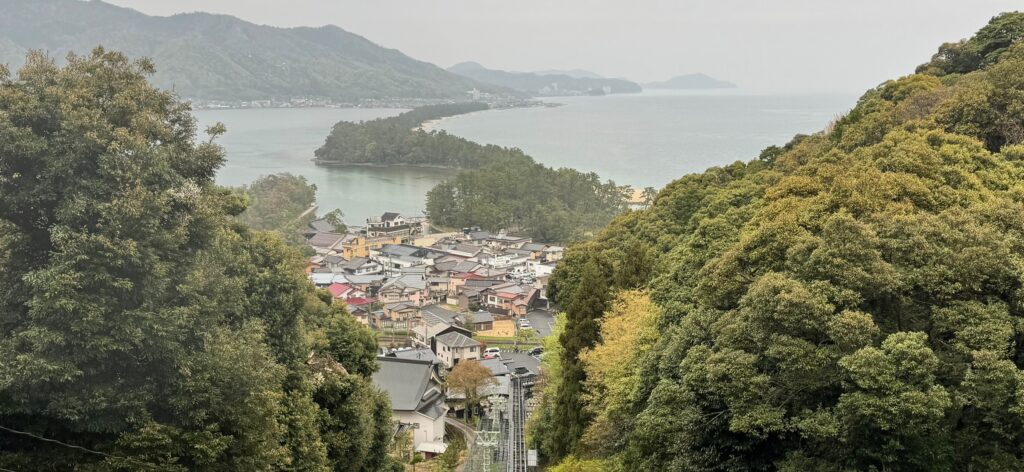
I chose to visit Amanoshidate, because it was listed as one of the three scenic sites in Japan. For someone who was having (a claustrophobic-inducing) difficulty with the crowds in Kyoto, this could be listed as a monumental casting error. Luckily the monorail only lasted 7 minutes. The views were worth it, as was the sight of the sandy passage that creates a bridge across the estuary where we walked at the end of the afternoon, the previous evening.
Our collision with fierce rain confirmed that umbrellas are a national treasured habit. We saw small children going to school in wellies with umbrellas, just as we saw bigger ones in clusters, in school uniform, no coats, just umbrellas.
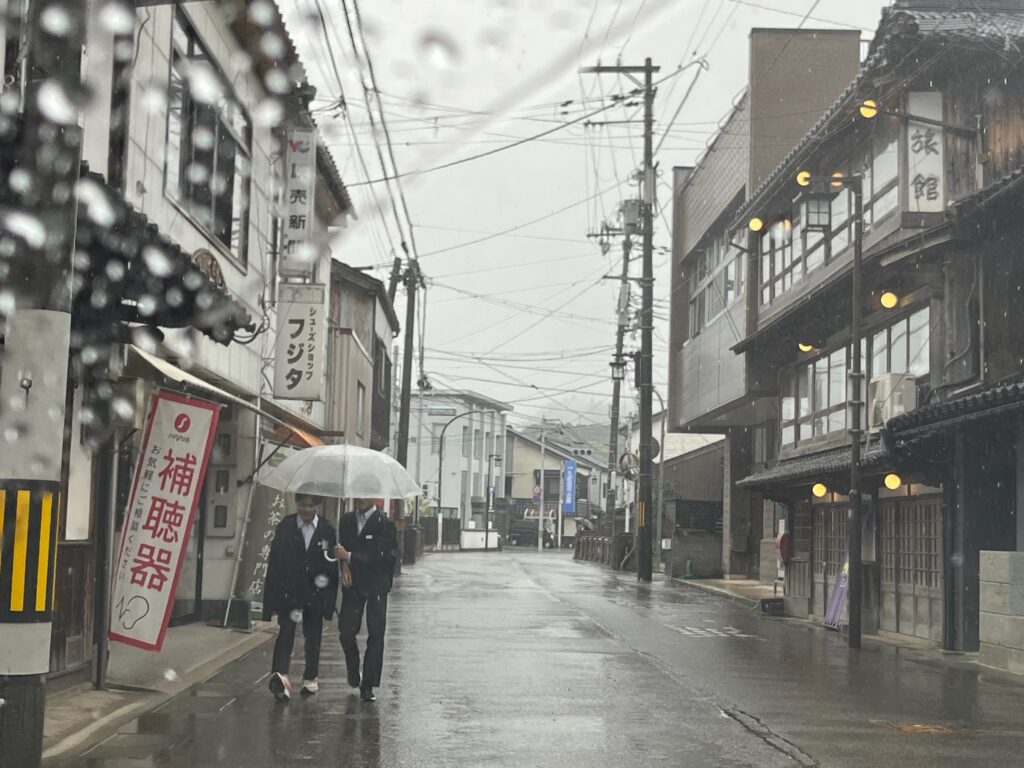
Needless to say umbrellas are also used, mostly, but not exclusively, by women as soon as the sun comes out. I infer protecting oneself from the sun is important in Japan. I am not poking fun at the Japanese, although it might sound as if I am. Everything in Japan was exotic and surprising. I cannot begin to understand how life works, but I was struck by the imposition of societal order and a strong sense of entrenched and coded hierarchy.
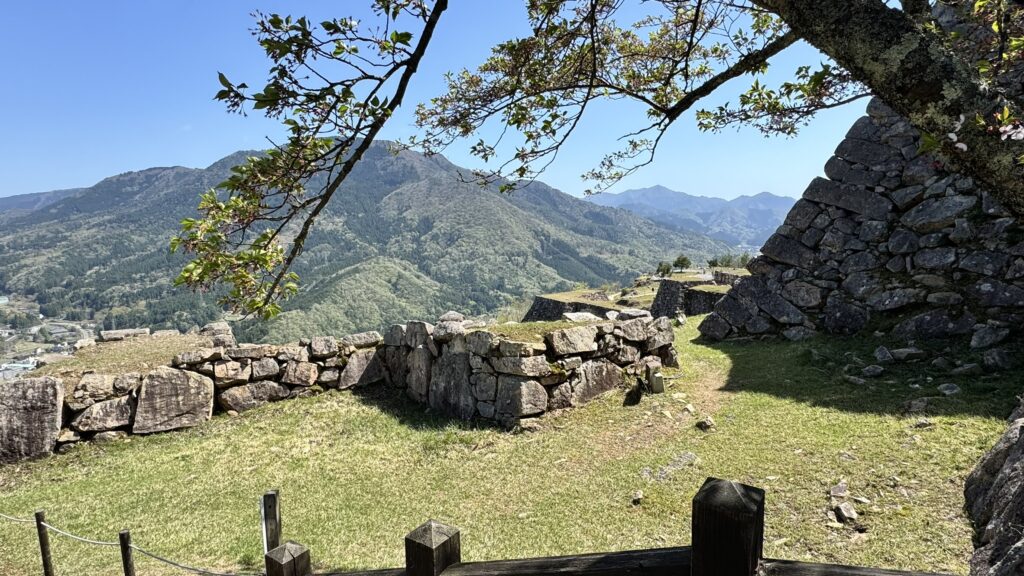
Visiting the ruins of a castle at Takeda was another sunny memorable event. We walked up and down to the massive stone remains of the moat and castle walls and walking round the ruins in the right direction of course, along with signs telling us to be careful of slippery stones, enabled us to get some good views of our surroundings.
One of our most breathtaking temple experiences was not the Temple of Enryakuji on Mount Hiei, the birthplace of the Tendai sect, but a tiny little temple, newly renovated, one part red, the other orange.
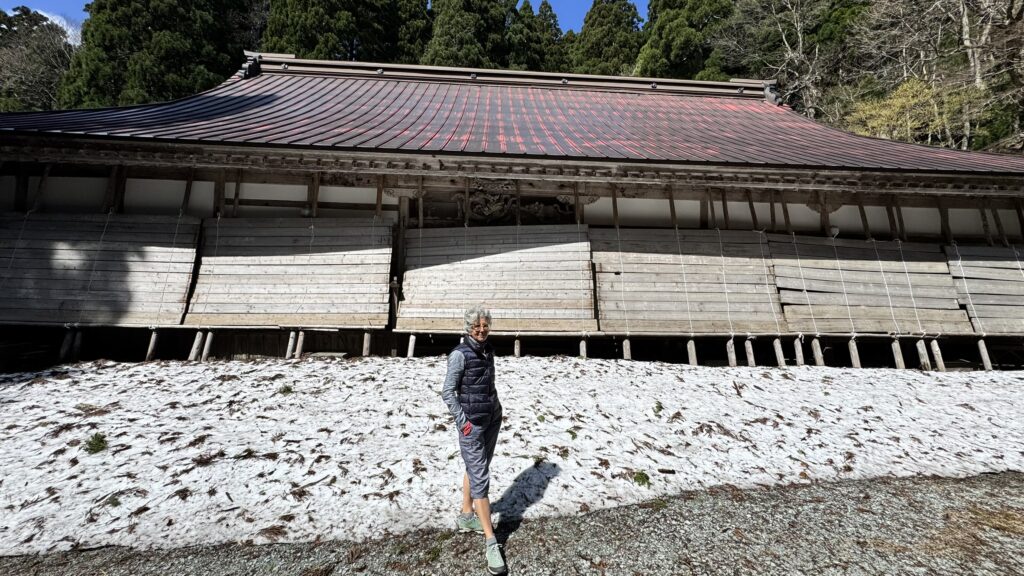
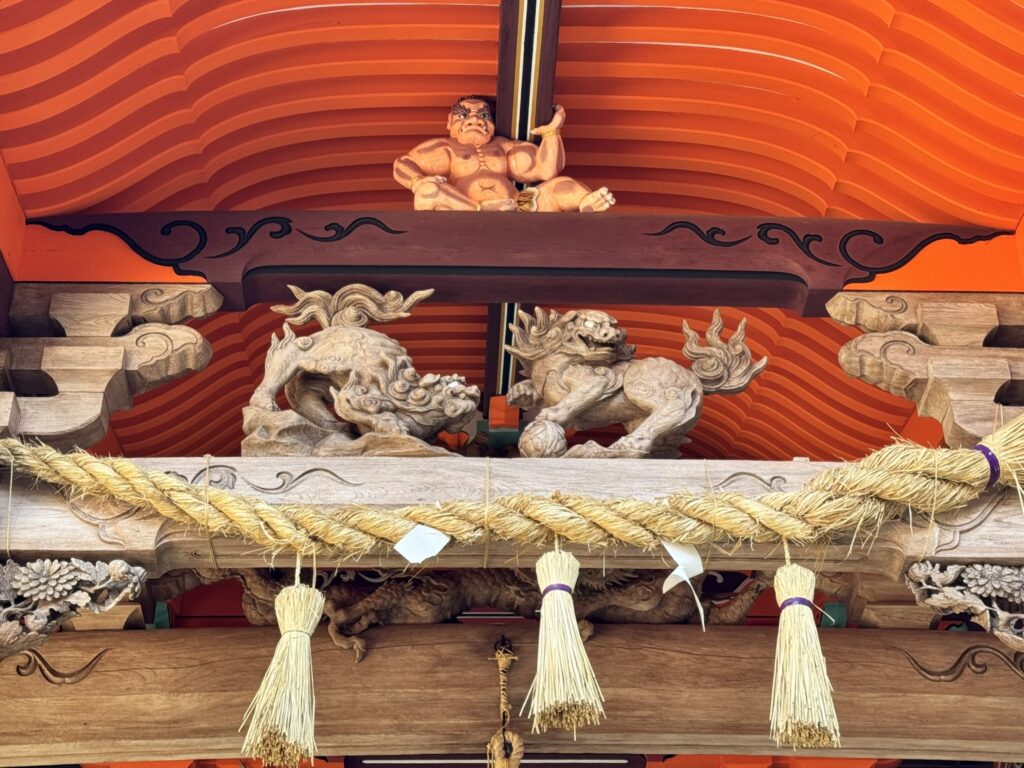
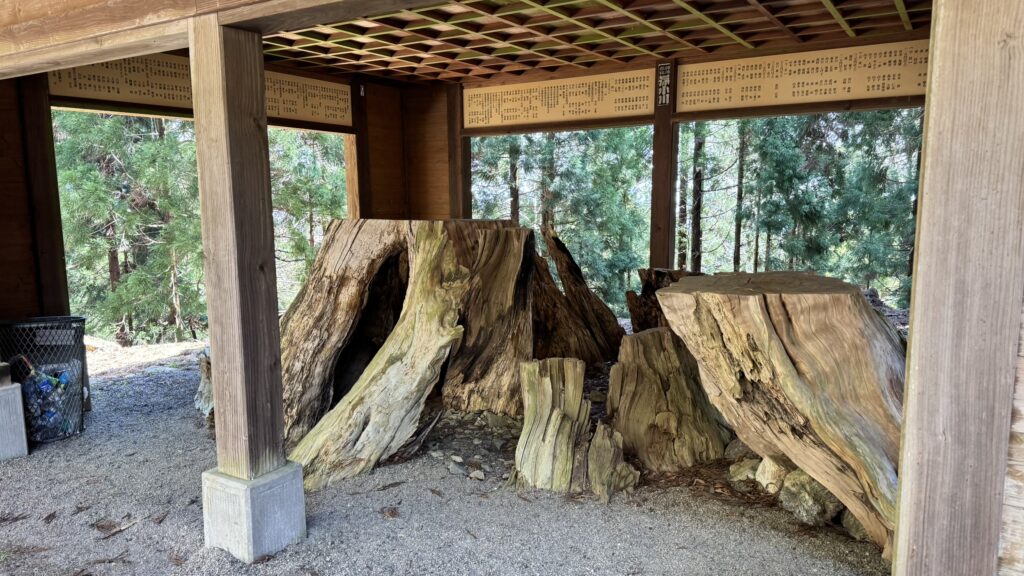
This visit is memorable for numerous reasons: the journey to get there was an epic winding drive up a narrow mountain road which had suffered heavy rainfall, falling branches and displaced stones the day beforehand. There was no one there. We were in the sunshine with snowy remains and there was the stump of a 1500 year-old cedar (the Myoken cedar) carefully preserved in its own little hut.
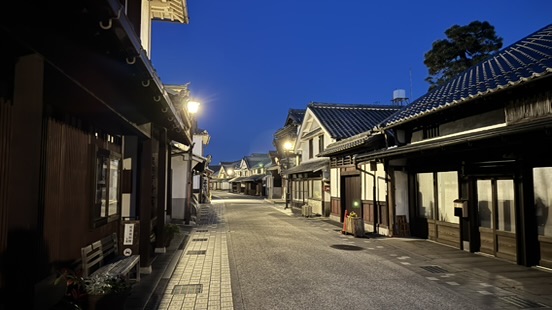
Our short journey ended in Sassayama, which turned out to contain some pretty traditional streets and not too many people. The people were friendlier in the daytime than the evening where we found it impossible to find somewhere to eat, even at 19h.
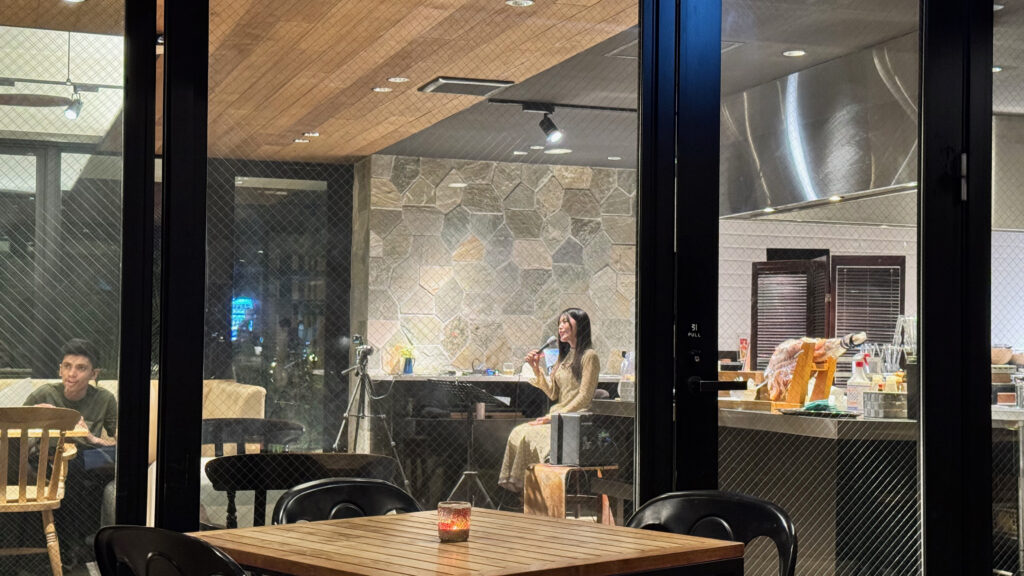
The blur rolls into our return to Kyoto, giving the rented car back and staying in a central modern stylish hotel, where we listened to a crooning jazz singer over a sake, though I couldn’t understand the words, some of which were definitely meant to be in English.
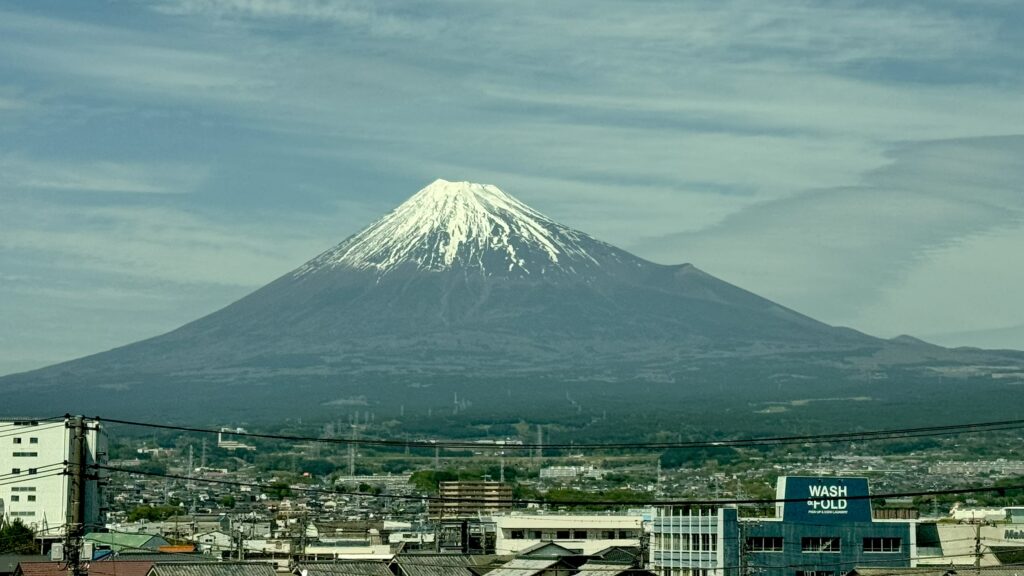
Then the very fast train to Tokyo, from which we caught sight of Mount Fuji, as Roland has already shown.
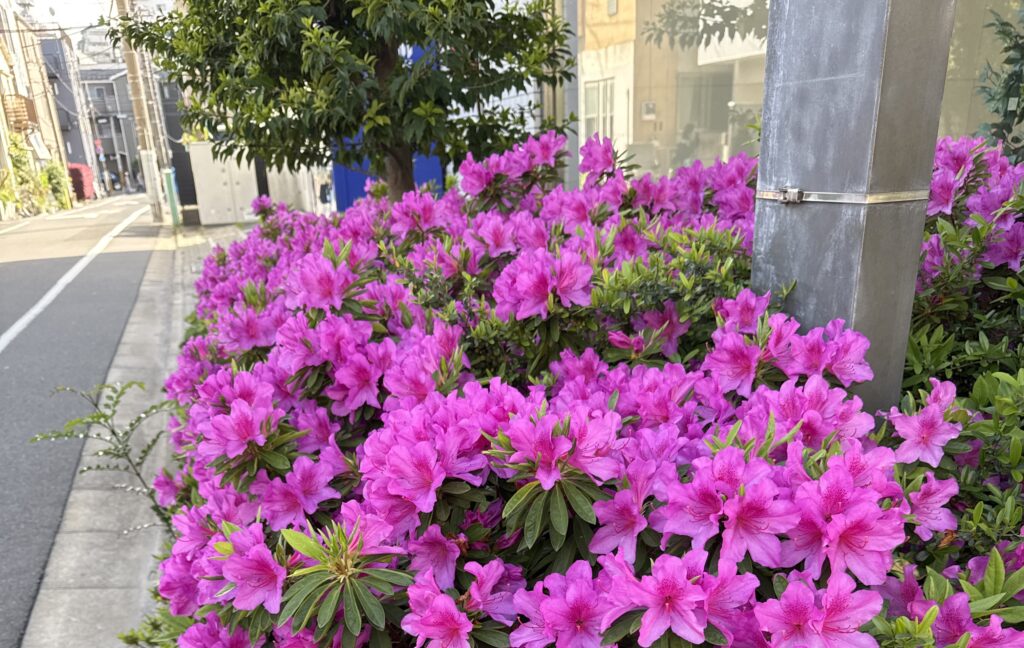
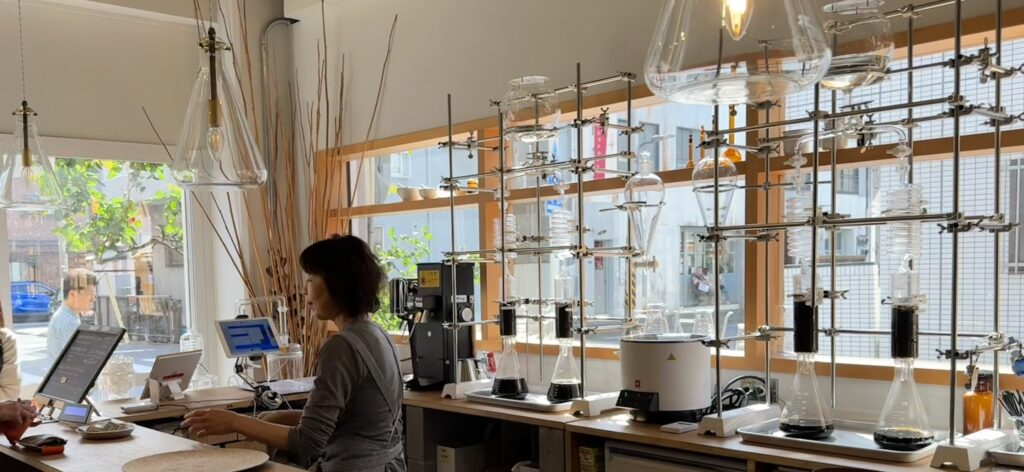
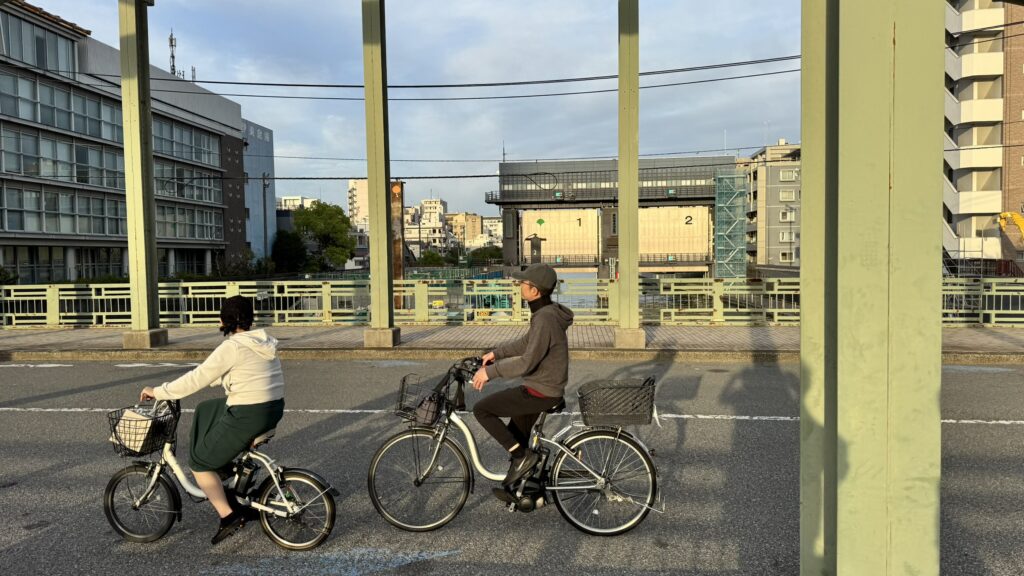
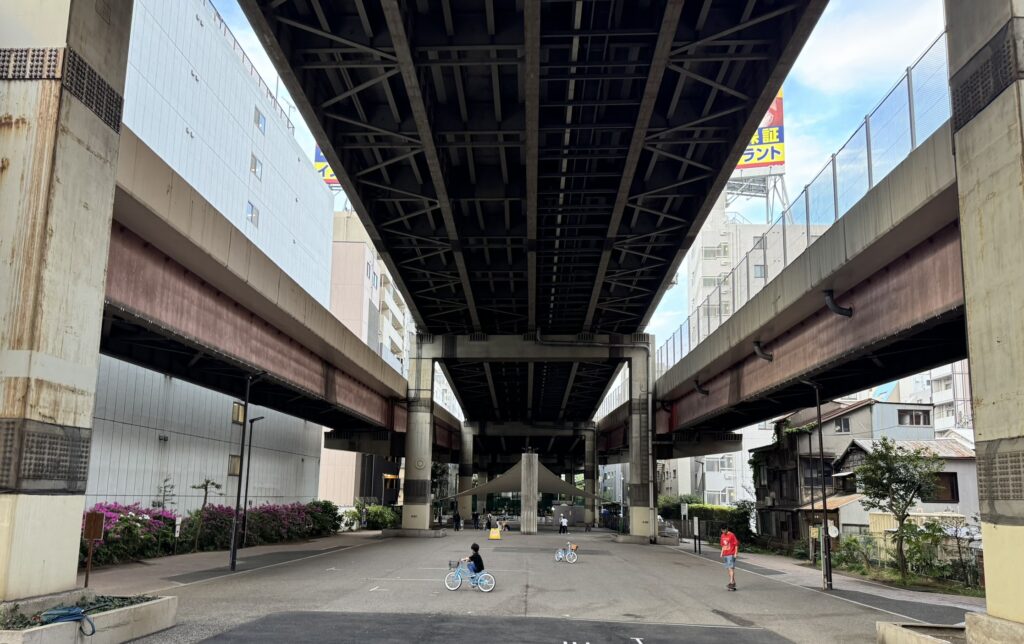
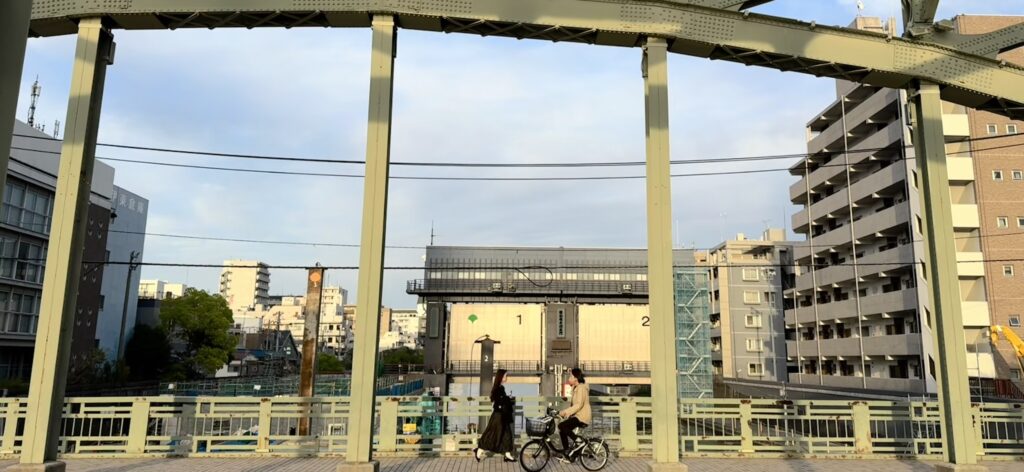
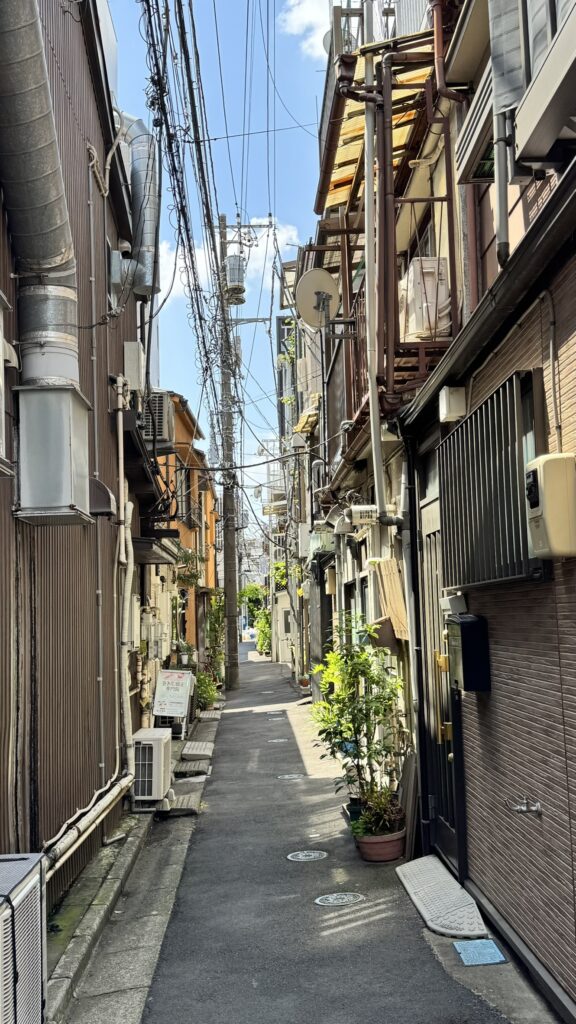
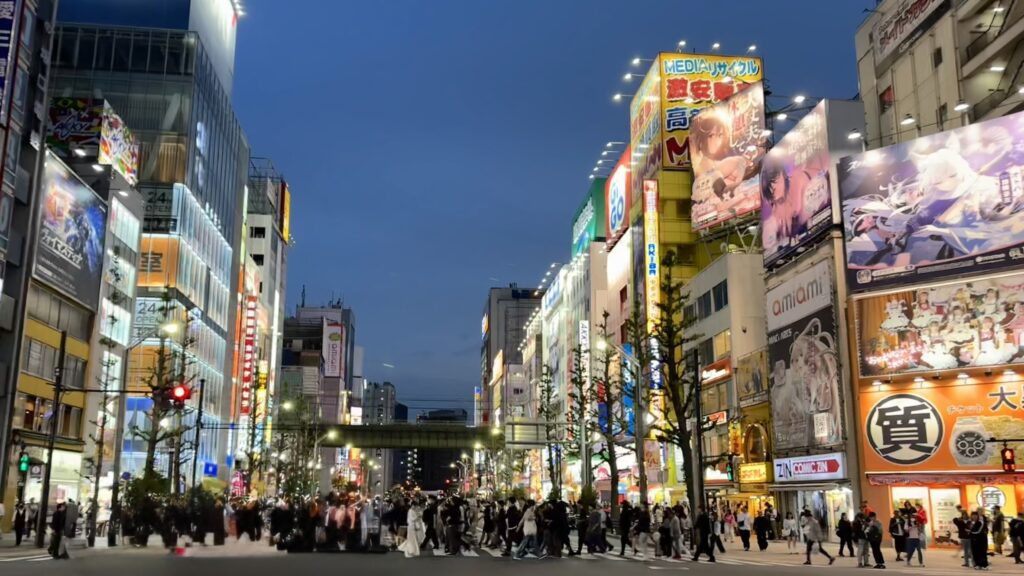
We spent our last few days wandering and covering considerable distances in Tokyo. We stayed in a very hip hotel, thanks to Judy and Itsik, in the Nezu area. We liked the neighborhood a lot, and found many others which were not too populated, by the canal, or around the the museum of contemporary art, where the Tokyo we saw and walked through, did not correspond to my sky scraper, overly dense, expectations.
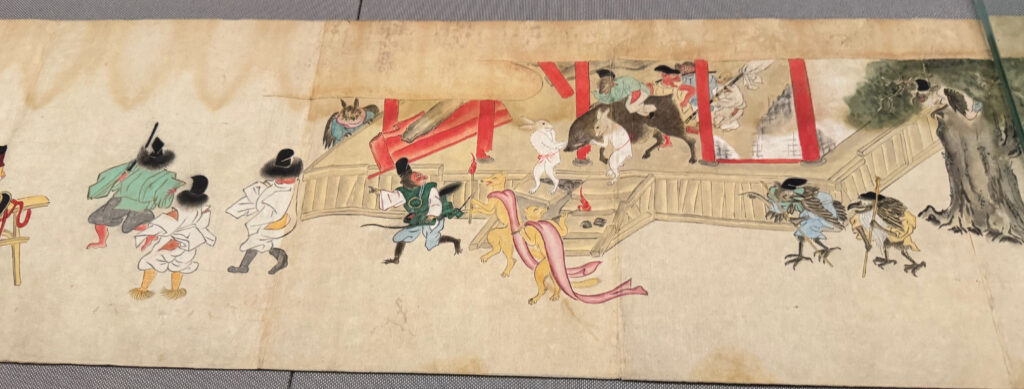
Visiting the National Museum of Tokyo, a short walk from the hotel, made me realise how our journey had found its end. Looking at the statues of Buddha and relics from earlier eras (before the 6th c), reminded me of our first museum visit in Bangkok, where we also saw many statures of Buddha. They were not the same kind of statues but created a sense of coming full circle.
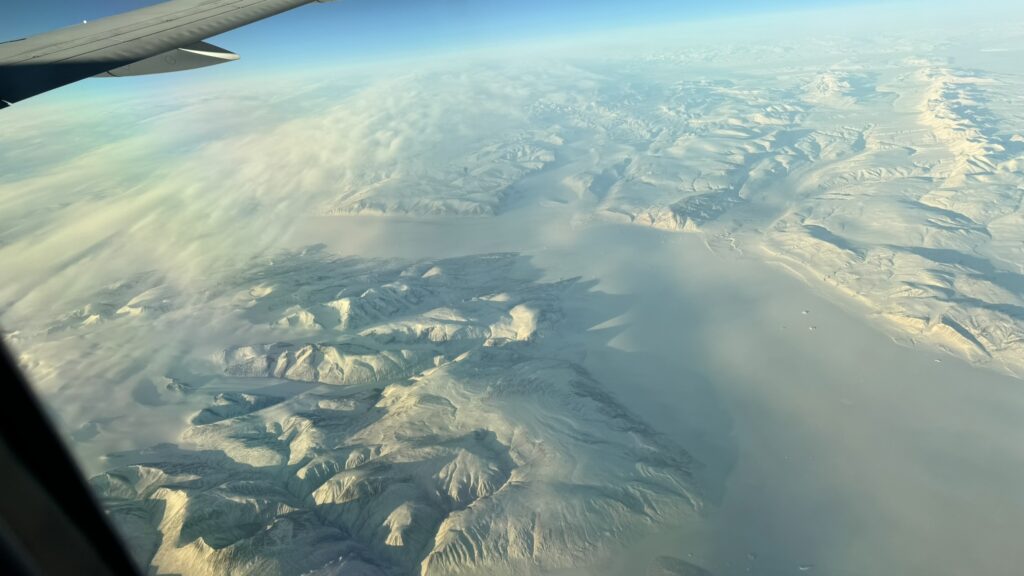
On that note, also on the longest of our plane journeys so far, which may not be conducive to the most acute mental clarity, I bring my narrative to an end.
Laisser un commentaire